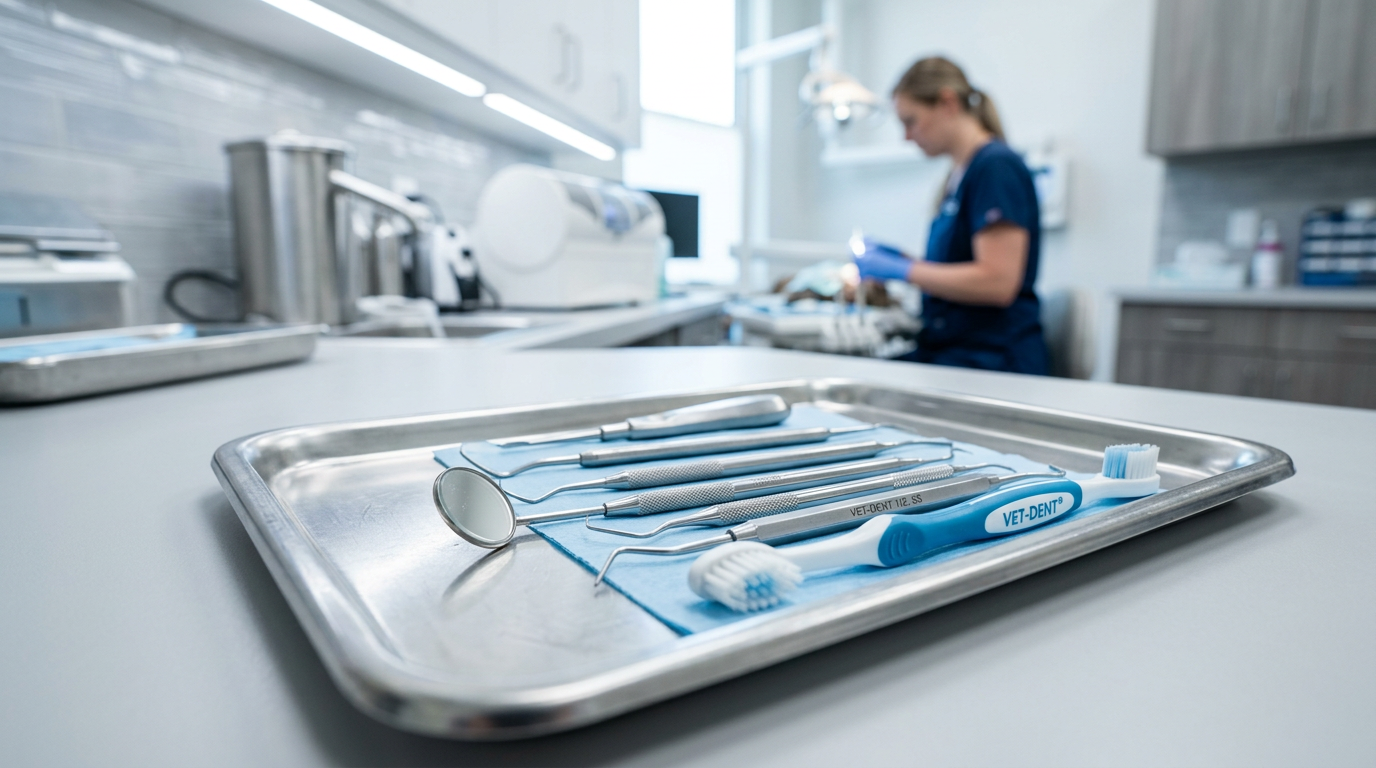
Non-anesthetic dental cleanings (NAD) are offered at many pet stores, grooming salons, and even some veterinary clinics. They're appealing because they seem safer and cheaper. But do they actually work? Let's examine the facts.
What is Non-Anesthetic Dental Cleaning?
Non-anesthetic dental cleaning involves manually scraping tartar from a pet's teeth while they're awake. The pet is typically restrained, and only the visible surfaces of the teeth are cleaned.
Why Veterinary Dentists Don't Recommend It
The American Veterinary Dental College, American Animal Hospital Association, and virtually all veterinary dental specialists advise against non-anesthetic dental cleaning. Here's why:
1. It Doesn't Treat Disease
Dental disease occurs below the gumline, where bacteria attack the supporting structures of the teeth. Non-anesthetic cleaning only addresses the visible crown of the tooth—the part that isn't diseased.
2. It's Stressful for Pets
Being restrained while someone scrapes their teeth is frightening for most pets. The stress can cause increased heart rate, anxiety, and lasting fear of having their mouth touched.
3. No Diagnostic Imaging
Without anesthesia, dental X-rays are impossible. This means problems like tooth resorption, root abscesses, and bone loss go undetected.
4. Risk of Aspiration
Awake pets can inhale debris, bacteria, and water during the procedure. Under anesthesia, a tube protects the airway.
5. Cosmetic, Not Medical
Non-anesthetic cleaning makes teeth look cleaner but provides a false sense of security. Disease continues to progress unseen.
The Bottom Line
Non-anesthetic dental cleaning may remove surface tartar, but it doesn't treat or prevent dental disease. It can actually delay proper treatment, allowing disease to worsen. If your pet needs dental care, professional cleaning under anesthesia is the only effective option.
"Non-professional dental scaling, with or without anesthesia, is considered unacceptable practice that can result in harm to the patient." — American Veterinary Dental College
Get Real Dental Care for Your Pet
Request a consultation with our veterinary team.
Schedule Professional Cleaning